
Most people who tell me their skincare routine has "fallen apart" are not short of products. They are short of time. A bathroom shelf crowded with serums, essences, and masks is a recipe for doing nothing at all when the alarm has already been snoozed twice. The good news is that a genuinely effective morning routine needs three things: a gentle cleanse, a moisturiser that suits your skin, and sunscreen. Everything else is optional polish.
If you can commit to those three steps consistently, you will do far more for your skin than someone who reaches for six products twice a week. Consistency beats complexity every time, and a routine you can complete in under five minutes is one you will actually keep.
Overnight, your skin does not accumulate much grime. It gathers sweat, a little sebum, and the residue of whatever you applied the night before. That means your morning cleanse can be brief and gentle. A cream or gel cleanser applied with lukewarm water and rinsed after about thirty seconds is plenty for most skin types.
If your skin is dry or sensitive, consider whether you need a full cleanse at all. Many people with a compromised barrier do better with a simple splash of lukewarm water in the morning, saving the cleanser for the evening when it is genuinely needed. If you are oily or have been using a rich overnight treatment, a proper cleanse helps your daytime products sit comfortably.
This is the step people rush most, and it is the one that delivers the quickest visible payoff. Applying moisturiser to slightly damp skin helps trap that water and improves how smoothly the product spreads, so you use less and finish faster. Look for a lightweight lotion or gel-cream in summer and something richer in the colder months, when central heating and wind do their worst.
If you use a vitamin C serum, this is the moment — after cleansing, before moisturiser. But treat it as a bonus rather than a requirement. On rushed mornings, the moisturiser alone will keep your barrier supported and your skin looking comfortable under makeup.
Give the moisturiser a moment to settle before the next step. Thirty to sixty seconds is usually enough, and you can use that time to brush your teeth or find your keys.
This is the step worth protecting above all others. UVA rays, the ones responsible for premature ageing and pigmentation, penetrate cloud cover and window glass at fairly steady levels all year round. The grey drizzle outside your window in February does not offer the protection you might assume. Daily sunscreen is the single most effective anti-ageing product you will ever buy, and it is also the cheapest.
Many modern moisturisers include SPF, which can save you a whole step. Just be honest about whether you are applying enough of it to reach the stated protection.
Order your routine so it fits the way you actually move through your home. Cleansing happens at the sink, so keep moisturiser and sunscreen beside it rather than in a cupboard across the room. Anything that requires a trip to another shelf will get skipped on the days you are running late.
Set a timer once, just to prove to yourself how fast this can be. Cleanse, pat, moisturise, sunscreen, done. Most people find it takes under four minutes, and two of those are waiting time you can spend doing something else. If you wear makeup, allow the sunscreen a minute to settle so your base does not pill or slide.
For the evenings you cannot face a full routine, keep a gentle cleanser and a night moisturiser within reach. Your morning routine works best when it is not compensating for skipped nights.
Skin changes with seasons, hormones, medication, and stress. If you notice persistent redness, sudden breakouts, or stinging when you apply products that previously felt fine, simplify back to the three basics and give your skin a fortnight to settle. Cutting back is often more useful than adding another product.
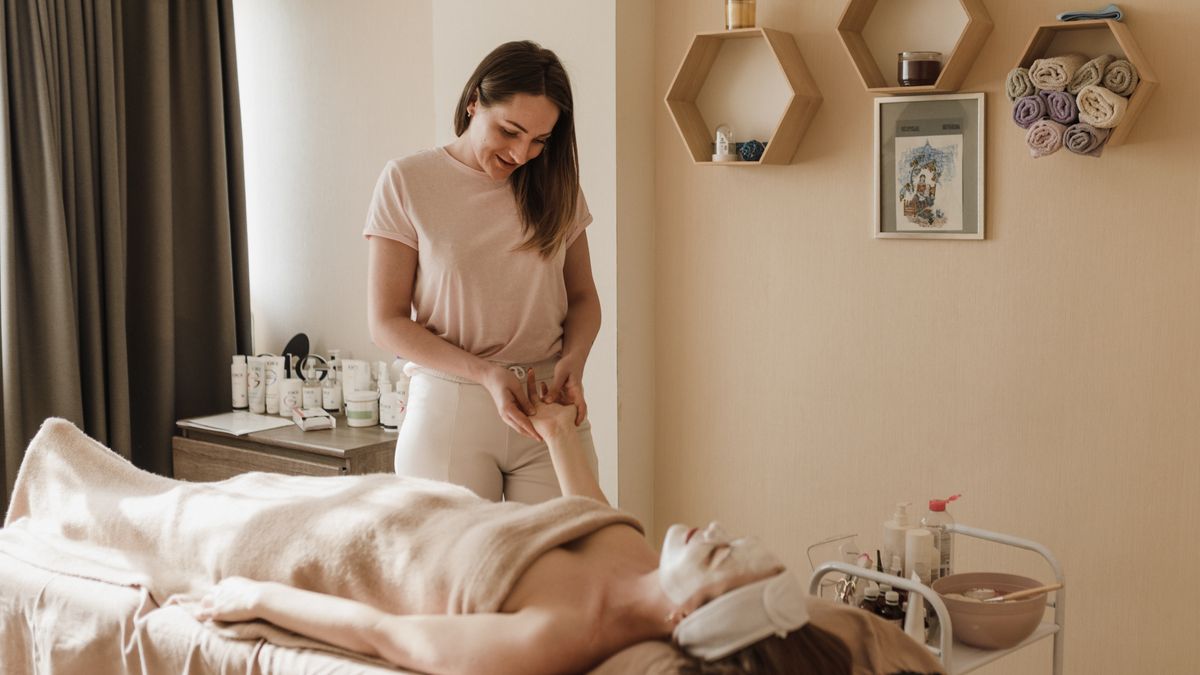
For anything that does not improve, or for concerns such as acne, rosacea, or pigmentation, a qualified skin therapist or dermatologist can assess you properly and build a routine around your skin rather than a generic template. A short consultation is a sensible investment, and many salons offer them alongside their treatment menu. Once you have your three steps working, professional treatments — from a gentle facial to a course of peels — tend to deliver better results, because your skin is arriving at the appointment already looked after.

Hi, my name is Anthony kuber. I am artist and fashion designer.
I love to travel and writing blogging.
Your email address will not be published. Required fields are marked *
Software Developer & Writer
Hey, I'm Diva, a developer and writer blending code and creativity. I'm driven by a deep curiosity and a relentless pursuit of excellence. Join me as I craft digital solutions and captivating stories.


