
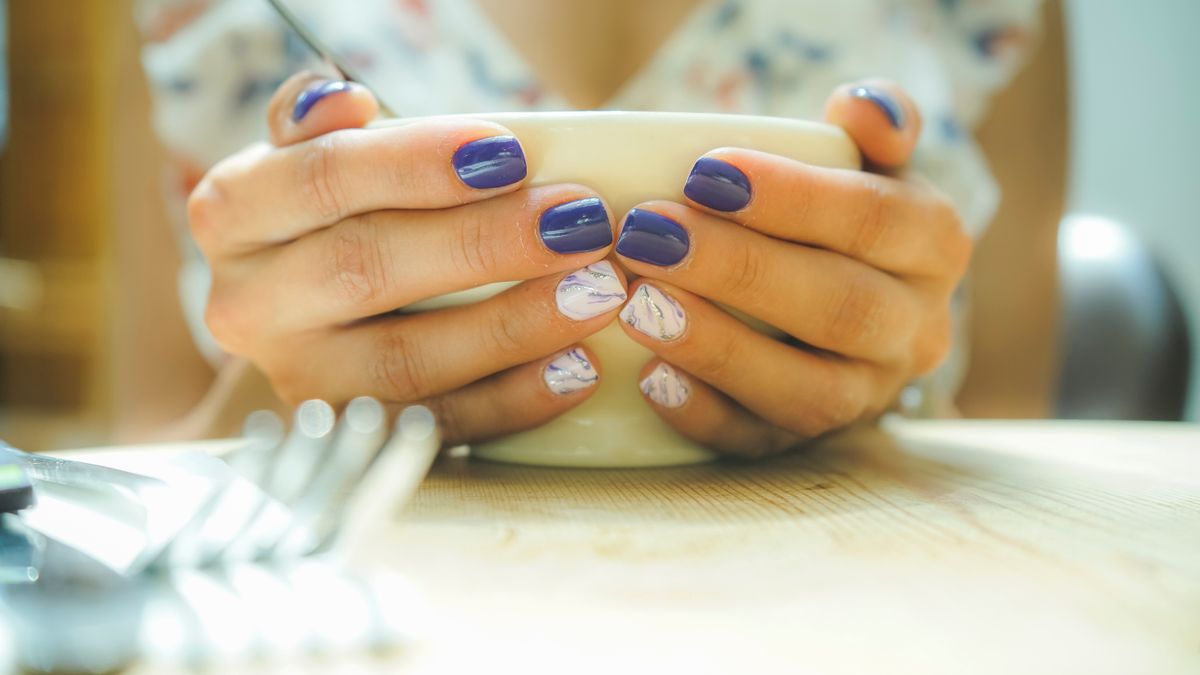
Most of us book a treatment because we want to look a certain way — a sharper haircut, fresher skin, tidier nails. What often surprises people is how differently they feel walking out. There is a genuine, well-documented link between the sensory experience of a salon treatment and your emotional state. The warm towels, the quiet room, the steady pressure of a massage: these are not incidental extras. They are, in many ways, the treatment.
Two things happen during a good appointment. First, your body shifts out of the low-level alertness that most of us carry around all day. Second, you are looked after by another person for a set period of time, with no demands placed on you. That combination is surprisingly rare in adult life, and it is precisely why a £40 facial can lift a mood more effectively than an afternoon of scrolling.
Human touch is not a luxury; it is a biological requirement. Skin-to-skin contact — the kind involved in massage, a scalp treatment, or even a hand massage during a manicure — stimulates receptors that send calming signals to the brain. Research in this area consistently points to a reduction in cortisol, the hormone associated with stress, alongside an increase in oxytocin, which supports feelings of safety and connection.
You do not need to understand the biochemistry to notice the effects. Common experiences reported after a treatment include:
For anyone who lives alone, works from home, or has limited physical contact in daily life, this element can be especially significant. A professional treatment offers respectful, boundaried touch in a safe environment — something many people quietly miss without realising it.
There is a reason the ritual matters as much as the result. Predictable sequences — the consultation, the cleanse, the massage, the finishing touches — signal to your nervous system that nothing is required of you for the next hour. Anxiety thrives on unpredictability; ritual is its opposite.
Practical details in a well-run salon support this more than people give them credit for:
The benefits also accumulate. A regular appointment — monthly, fortnightly, even six-weekly — becomes a fixed point in the calendar. Knowing that a calm hour is coming up can itself reduce stress in the days beforehand.
It is fashionable to dismiss appearance as superficial, but that does not match how most people actually live. Feeling presentable affects how you hold yourself, how willing you are to speak up in a meeting, and whether you say yes to social invitations.
Targeted treatments can address specific sticking points rather than promising a transformation. A brow shape that suits your face can make the whole face look more awake. A gloss or colour refresh can stop you avoiding photographs. A course of facials can improve texture enough that you feel comfortable leaving the house without makeup — a genuine relief for anyone whose skin has been a source of daily worry.
The important caveat is comparison. If you find yourself measuring your results against heavily filtered images online, that is a sign to step back and focus on how your skin and hair feel, not just how they photograph.
Not every treatment suits every mood, and the best therapists will tell you so. Match the appointment to your energy rather than to your to-do list:
Always mention sensitivities, allergies, recent treatments, pregnancy, or medication. Patch tests before tinting or colouring are essential, not optional. And be honest about pressure and conversation preferences — a good therapist will adapt without taking offence.
Consistency beats extravagance. A modest treatment every six weeks will do more for your mood than an ambitious spa day once a year, partly because the anticipation and familiarity are doing half the work. Booking off-peak slots, choosing shorter express treatments, or combining a cutting appointment with a conditioning treatment can all keep costs manageable.
Between appointments, keep a few small rituals of your own: a proper evening cleanse, a scalp massage with the pads of your fingers while conditioning, a weekly fifteen minutes with a mask and no phone. These reinforce the message that you are worth tending to, which is ultimately what supports emotional balance and confidence.
Finally, be realistic about what a beauty treatment can and cannot do. It can lower stress, restore a sense of control and give you a lift. It is not a substitute for support if low mood, anxiety or poor sleep persist for weeks. In that case, speak to your GP — and consider your salon visits a complement to proper care, not a replacement for it.

Hi, my name is Anthony kuber. I am artist and fashion designer.
I love to travel and writing blogging.
Your email address will not be published. Required fields are marked *
Software Developer & Writer
Hey, I'm Diva, a developer and writer blending code and creativity. I'm driven by a deep curiosity and a relentless pursuit of excellence. Join me as I craft digital solutions and captivating stories.


