
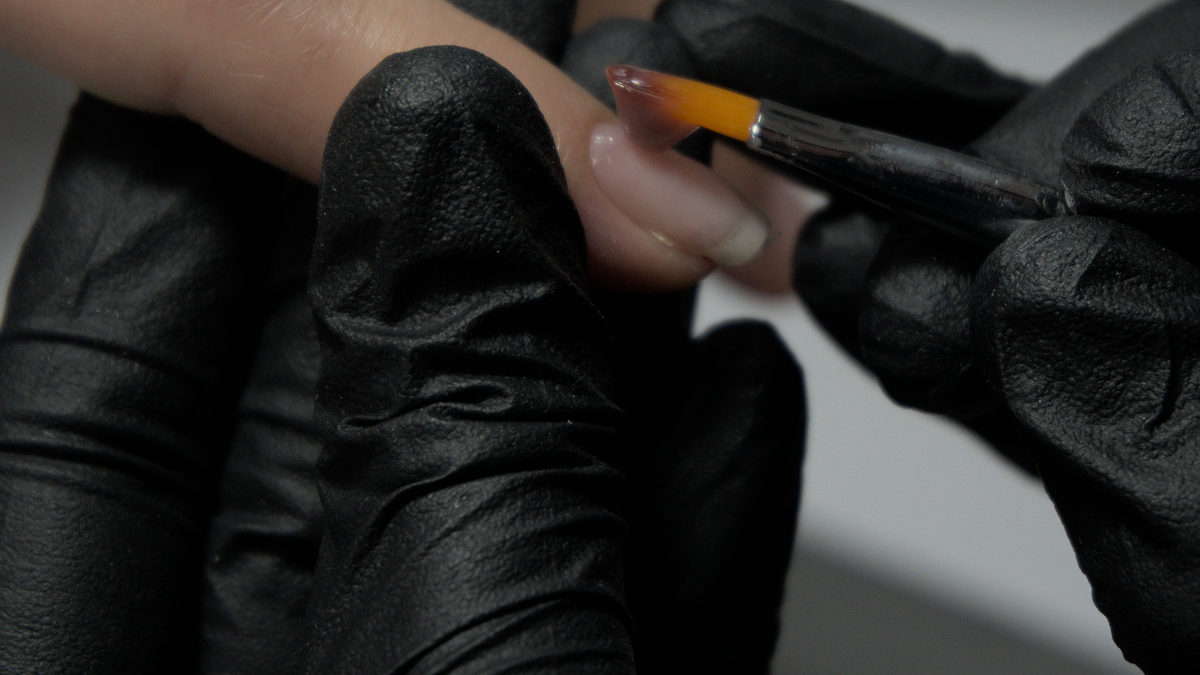
Nails are tough, but they take a beating. Between washing up, typing, gardening, gym sessions and the occasional nervous nibble, it is little wonder that clients arrive at the salon with splitting tips, flaking surfaces or ridges they cannot seem to shift. Add central heating, cold weather, frequent hand washing and the odd over-enthusiastic home manicure, and you have a recipe for nails that look tired even when you feel fine.
The reassuring news is that most everyday nail complaints are cosmetic rather than medical, and they respond well to consistent, gentle care. The key is to work out what is actually causing the problem, treat the nail kindly while it recovers, and then protect it so the issue does not simply return a few weeks later.
Peeling nails, sometimes called onychoschizia, happen when the layers of the nail plate separate at the free edge. You will notice thin flakes lifting away, usually after your nails have been wet and dried repeatedly, or after a run of harsh polish removal.
Try these steps:
In the salon, ask for a light buff rather than aggressive filing, and consider a strengthening base coat worn alone for a few weeks while the damaged tip grows out.
Vertical ridges running from cuticle to tip are extremely common and usually just a sign of age or dryness. They are not a health concern, but they do catch the light and make polish look uneven. Regular gentle exfoliation of the nail plate, plenty of oil, and a ridge-filling base coat will smooth the appearance considerably.
Horizontal ridges are different. Sometimes called Beau's lines, they form when nail growth is interrupted by illness, a high fever, an injury to the nail fold, or a period of poor nutrition. Because nails grow slowly, a ridge you notice today may relate to something that happened two or three months ago. As a rule, these grow out on their own. If they keep appearing, or are accompanied by other symptoms, it is worth a chat with your GP.
What you should avoid in both cases is over-buffing. Filing the surface of the nail flat can feel satisfying in the moment, but it thins the plate and makes it more likely to bend, peel and break.
Yellow, brown or grey tones in the nail are usually one of three things: staining from dark polish, damage from repeated wet and dry cycles, or a fungal infection.
Staining from polish is harmless and often fades as the nail grows. A base coat every single time you paint is the simplest prevention. A few minutes with a gentle whitening soak or a soft buffer can lift surface stains, but do not go at them hard.
Fungal infection tends to look different. Signs to watch for include thickening, crumbling at the free edge, separation of the nail from the nail bed, and a yellow or white patch spreading from one side. Nail fungus needs proper treatment, usually from a pharmacist or GP, and it will not clear with polish or oil. Please do not ask your nail technician to cover it up and hope for the best.
One more thing worth knowing: a dark streak or band under a single nail that appears suddenly and does not grow out should always be checked by a doctor promptly.
A quality manicure is as much about nail health as it is about colour. When you book, look for a technician who asks about your nails, your daily routine and any recent treatments rather than reaching straight for the file.
A healthy appointment usually includes:
If you are offered an electric file on your natural nails, it is fine to ask questions. Used skillfully at low speed it can refine the surface, but heavy-handed drilling thins nails and can leave them sensitive for months.
Consistency beats occasional pampering every time. Keep a cuticle oil pen by the sink and in your handbag, wear gloves for washing up and cleaning, and pat hands dry rather than leaving them damp. Keep nails a sensible length for your lifestyle; long nails with a weak free edge are the ones that tear.
Eat well, drink water, and be patient. A fingernail takes roughly four to six months to grow from base to tip, so improvements you make today show up gradually. Book regular appointments, avoid the temptation to pick and peel, and your nails will reward you with a smoother, stronger, healthier look within a few growth cycles.

Hi, my name is Anthony kuber. I am artist and fashion designer.
I love to travel and writing blogging.
Your email address will not be published. Required fields are marked *
Software Developer & Writer
Hey, I'm Diva, a developer and writer blending code and creativity. I'm driven by a deep curiosity and a relentless pursuit of excellence. Join me as I craft digital solutions and captivating stories.


