
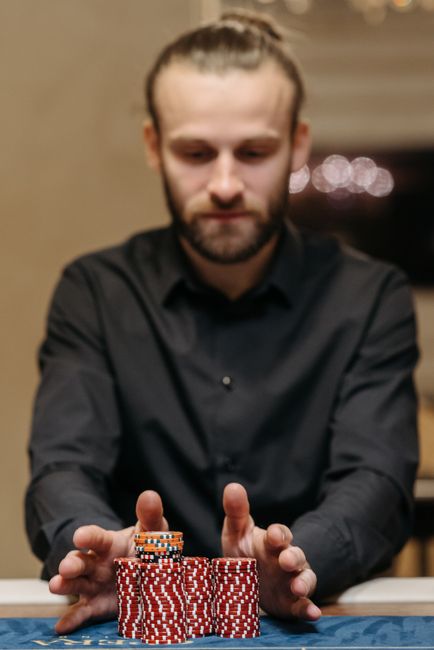
You’re about to lose €20 on a slot machine that hasn’t paid out all night. Or maybe you’re one bluff away from taking down a €5,000 pot in an online poker tournament. The iGaming world is a rollercoaster of emotions, and if you don’t know the terrain, it will eat you alive. But here’s the thing: it’s also one of the most exciting, dynamic industries on the planet—if you approach it with a clear head and a bit of strategy. This isn’t about getting rich overnight. It’s about understanding the moving parts so you can actually enjoy the ride. Let’s break down the four pillars of iGaming: casino, betting, slots, and poker. No fluff. Just real talk.
iGaming covers any gambling activity done over the internet—from sports betting to live dealer blackjack. The global market is projected to hit $153 billion by 2030, and that’s not just because of hardcore gamblers. Casual players are driving growth too, thanks to mobile apps, faster payments, and games that feel more like entertainment than a trip to Vegas. But with that growth comes noise. Every site promises the biggest bonuses, the loosest slots, the best odds. How do you cut through it? Start by knowing what you’re actually playing. Each vertical has its own rules, rhythms, and risks.
Online casinos split into two main flavors: RNG (random number generator) games and live dealer games. RNG games are software-driven—blackjack, roulette, baccarat—and they’re fast. Live dealer games stream a real croupier from a studio, giving you that social vibe without leaving your couch. The key difference is speed and control. RNG games are instant; live games have betting timers. For practical tips, check out nowgoall.it.com.
But whatever you play, the house edge rules everything. That’s the mathematical advantage the casino has on every bet. For European roulette, it’s 2.7%. For American roulette (with the double zero), it jumps to 5.26%. Blackjack, played with basic strategy, can get the house edge down to 0.5% or lower. Baccarat? The banker bet has a 1.06% house edge. Know these numbers before you sit down. Otherwise, you’re just guessing.
Sports betting is where iGaming gets personal. You’re not just playing against a machine—you’re betting on real-world outcomes. The thrill is undeniable, but so is the trap. Here’s what separates a sharp bettor from a broke one:
Also, avoid parlay addiction. Parlays have a higher house edge because the sportsbook compounds its margin. A three-team parlay at -110 each leg gives the book a 12.5% edge—compared to 4.5% on a single bet. Fun? Yes. Smart? Rarely.
Slots are the wild west of iGaming. No skill, no strategy—just RNG and hope. But that doesn’t mean you’re helpless. Two numbers matter: RTP (return to player) and volatility.
RTP is the percentage of all wagered money a slot pays back over millions of spins. A 96% RTP slot returns €96 for every €100 bet, on average. But here’s the catch: that’s a long-term average. In a single session, you could lose everything or hit a 5,000x jackpot. Volatility tells you how that RTP is distributed. Low volatility: frequent small wins. High volatility: rare but massive wins.
And please, kill the ‘due’ myth. A slot machine that hasn’t paid out in hours is not ‘ready’ to hit. Each spin is independent. The RNG doesn’t remember your last 50 losses. If you’re chasing, you’re not playing—you’re bleeding.
Poker is the only iGaming vertical where you can consistently win if you’re better than your opponents. But ‘better’ doesn’t mean lucky. It means understanding position, pot odds, and player tendencies. Here’s a concrete example: you’re on the button with 7-8 suited. A tight player raises from early position. You should probably fold—unless you have a deep stack and good implied odds. That decision doesn’t come from a gut feeling. It comes from thousands of hands of experience.
Online poker has evolved. GTO (game theory optimal) solvers have raised the bar. You can’t just bluff randomly anymore. But exploitative play still works against weaker opponents. The key is to pick your tables. If you sit down with a bunch of pros, you’re the fish. Find games with high flop percentages and passive players. That’s where the money is.
Licensing matters. A site regulated by the UK Gambling Commission, MGA (Malta), or Gibraltar is safer than some offshore operation with no oversight. Check for eCOGRA or iTech Labs seals—they audit RNG fairness. And always, always set deposit limits before you play. Most reputable sites let you set daily, weekly, or monthly caps. Use them.
Finally, treat iGaming as entertainment, not income. The moment you’re betting rent money, you’ve already lost—win or lose. The house edge doesn’t care about your intentions. It just grinds. So play smart, play small, and walk away when it stops being fun.
The iGaming world isn’t a get-rich-quick scheme. It’s a complex ecosystem of math, psychology, and chance. Whether you’re spinning slots, betting on a derby, or grinding a poker tournament, the players who last are the ones who respect the game. Learn the numbers. Manage your bankroll. And never chase a loss. Do that, and you’ll be ahead of 90% of the crowd—even when the reels don’t land your way.

Hi, my name is Anthony kuber. I am artist and fashion designer.
I love to travel and writing blogging.
Your email address will not be published. Required fields are marked *
Software Developer & Writer
Hey, I'm Diva, a developer and writer blending code and creativity. I'm driven by a deep curiosity and a relentless pursuit of excellence. Join me as I craft digital solutions and captivating stories.


